Evidence-Based Fitness Education

Build Strength.
Train Consistently.
Live Better.

Practical fitness guidance rooted in real exercise science — designed for people who want lasting results, not quick fixes.

0+
People Guided
0 yrs
Combined Experience
0%
Stick to Their Programme
Evidence-Based Guidance
Qualified Coaches
No Extreme Claims
Cambridge, United Kingdom

Where are you
on your fitness journey?

Select the stage that best describes you. We'll suggest the most relevant next steps.

Starting from scratch? That's absolutely fine.

Everyone starts somewhere. The most important step is understanding the fundamentals before adding intensity. Here's a sensible path to get you moving confidently.

1
Learn to move well Focus on bodyweight patterns first — squat, hinge, push, pull. Form before load.
2
Build a simple routine Two to three sessions per week. Consistency matters more than duration at this stage.
3
Prioritise recovery Sleep, nutrition and rest days are where adaptation happens. They're not optional.
4
Progress gradually Small, regular increases in demand over weeks and months lead to meaningful change.
See Beginner Services

You have a foundation. Let's build on it properly.

Having some experience is an advantage — but it also means common bad habits can be deeply ingrained. This is the stage where technique refinement and structured programming make the biggest difference.

1
Audit your current technique Small form improvements at this stage can unlock significant strength gains.
2
Introduce structured programming Move beyond improvised sessions toward planned progressive overload.
3
Address weak links Mobility, unilateral strength and recovery are commonly neglected at this stage.
View Training Programmes

Welcome back. Your body remembers more than you think.

Returning after time away requires a different approach to starting fresh. Muscle memory is real — but so is the risk of doing too much too soon. Patience here pays dividends.

1
Start below your expectations Your fitness will return faster than you think, but beginning conservatively reduces injury risk significantly.
2
Rebuild movement patterns first Before adding load, re-establish comfort with the basic movement patterns.
3
Increase gradually over 4–6 weeks This window allows connective tissue — tendons and ligaments — to adapt alongside muscle.
Speak to a Coach

How Fitness Progress
Actually Works

Understanding what to expect — and when — removes frustration and helps you stay the course through the parts that feel slow.

Weeks 1–3

Neural Adaptation

Your nervous system learns to recruit muscle fibres more efficiently. You'll feel stronger before you look it — this is entirely normal and a sign things are working.

Weeks 4–8

Foundational Strength

Muscle tissue begins to adapt and grow. Recovery between sessions shortens. You start to move with more confidence and control.

Months 3–6

Visible Changes & Habit Formation

Composition changes become more apparent. Training is increasingly part of your routine rather than something you push yourself to do.

6 Months+

Long-Term Development

Fitness becomes a sustainable lifestyle feature. You navigate plateaus more effectively and understand how to manage training around life demands.

Typical Progression Markers

Strength (relative)Progressive

Consistent weekly small increases

Movement QualityHigh priority

Form is always the first adaptation target

Consistency RateKey metric

Showing up regularly outperforms intensity

Recovery QualityOften overlooked

Sleep, nutrition and rest days matter enormously

Remember: These markers describe a general trajectory, not a precise schedule. Individual variation is normal and expected.

850+
People Guided
3
Qualified Coaches
8 yrs
Combined Experience
94%
Complete Their Programme

Interactive Fitness
Mini Quizzes

These short quizzes test practical fitness knowledge across three key areas. They're designed to be educational — not scored for judgment.

Beginner fitness fundamentals
Exercise form awareness
Recovery habits

Training Services

Practical, structured support across four areas — each designed around real people with real schedules.
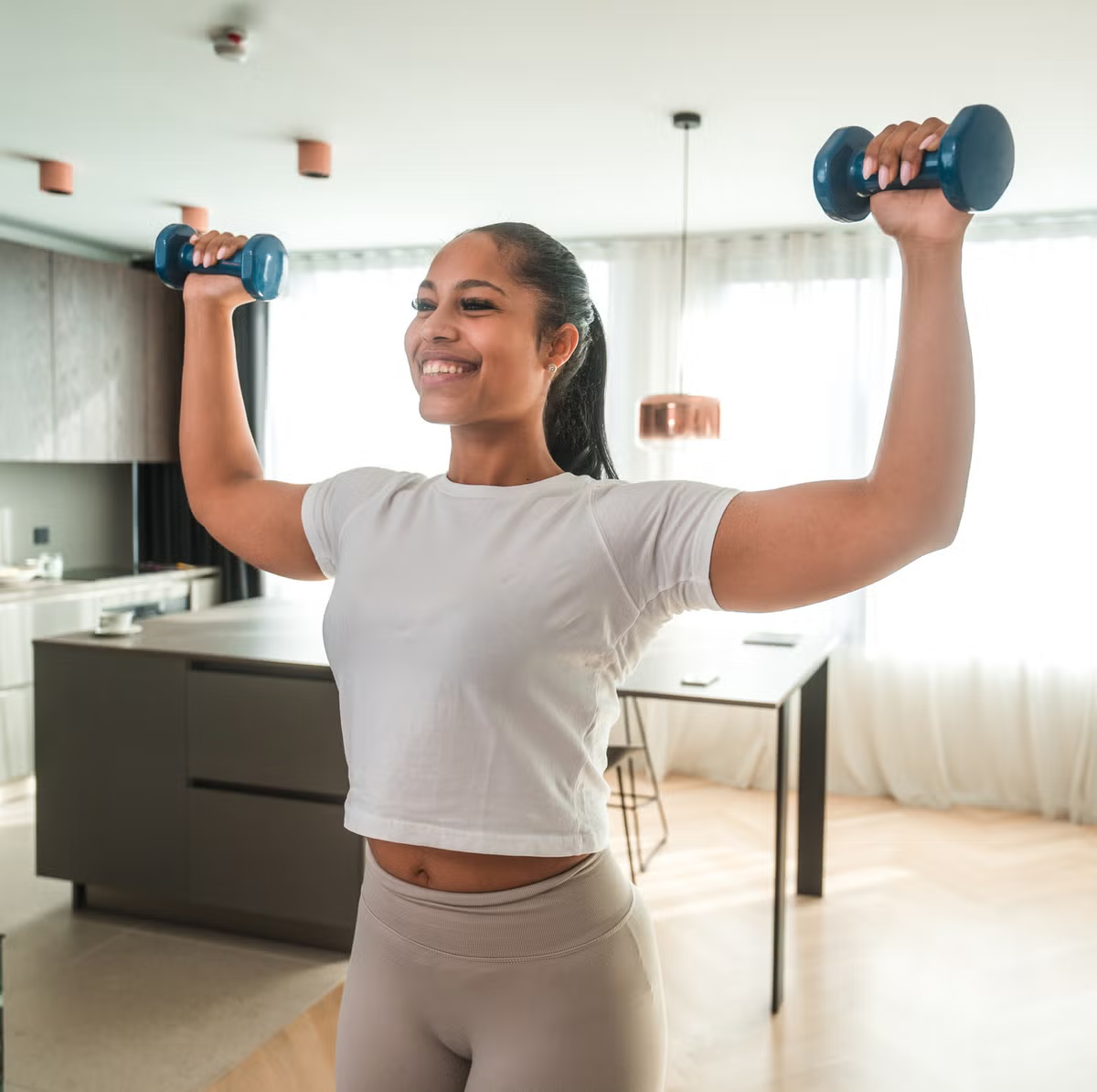
Personal training session

Personal Training

One-to-one coaching with structured programming, tailored to your current level and goals.
Online In-Person
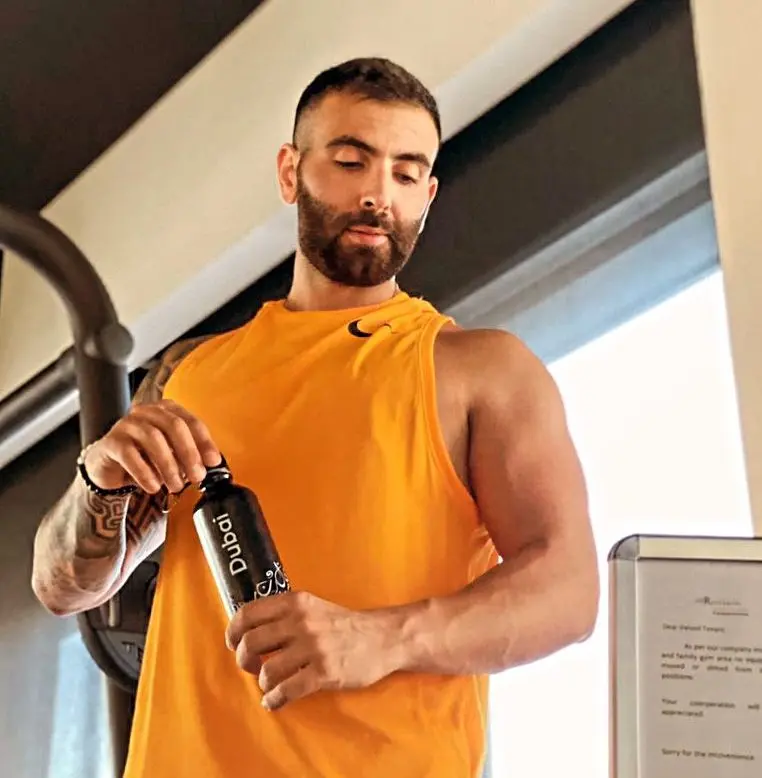
Beginner fitness coaching

Beginner Coaching

Dedicated support for those starting out — covering movement basics, habit building and sustainable routines.
Beginner Foundations
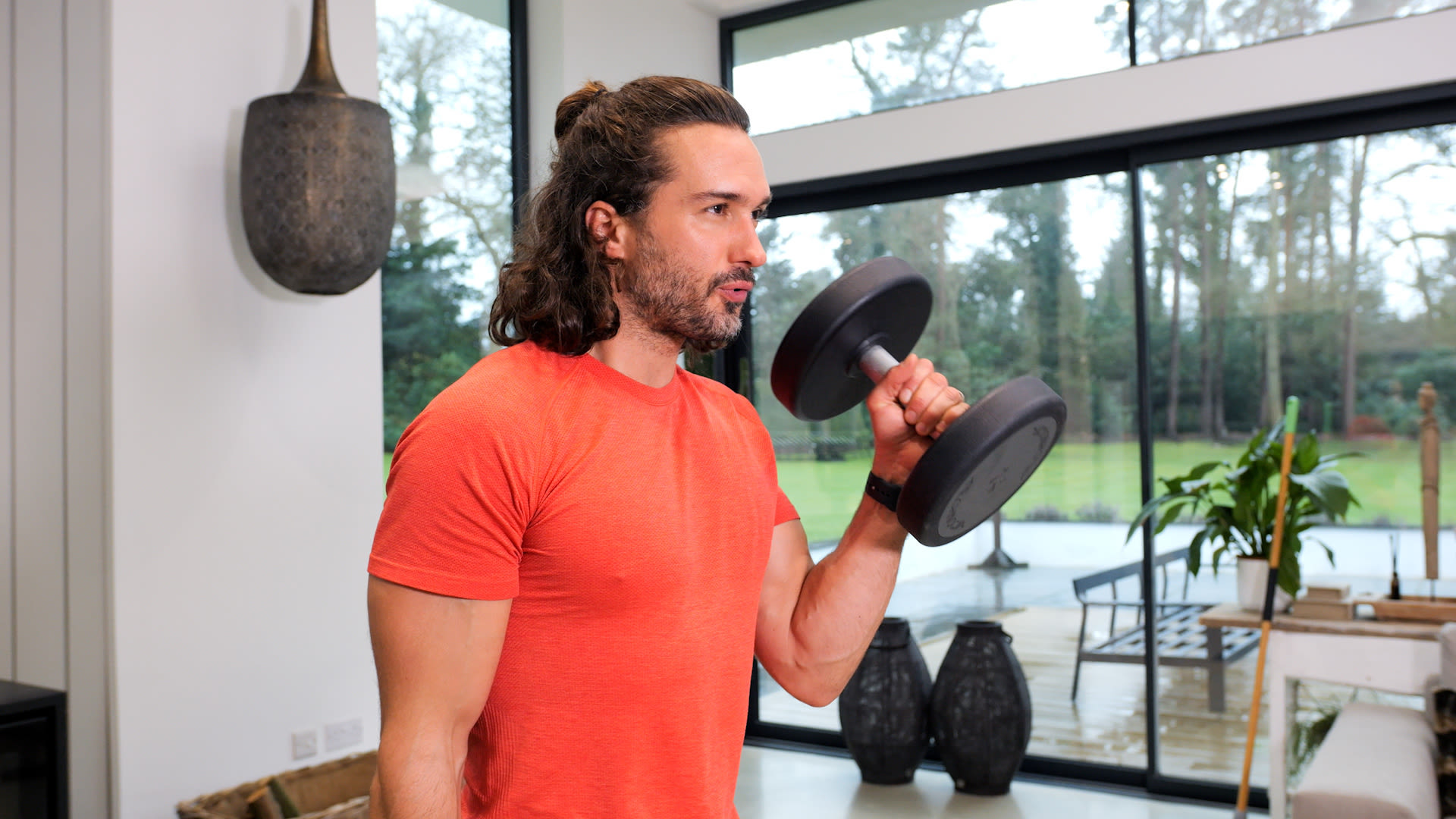
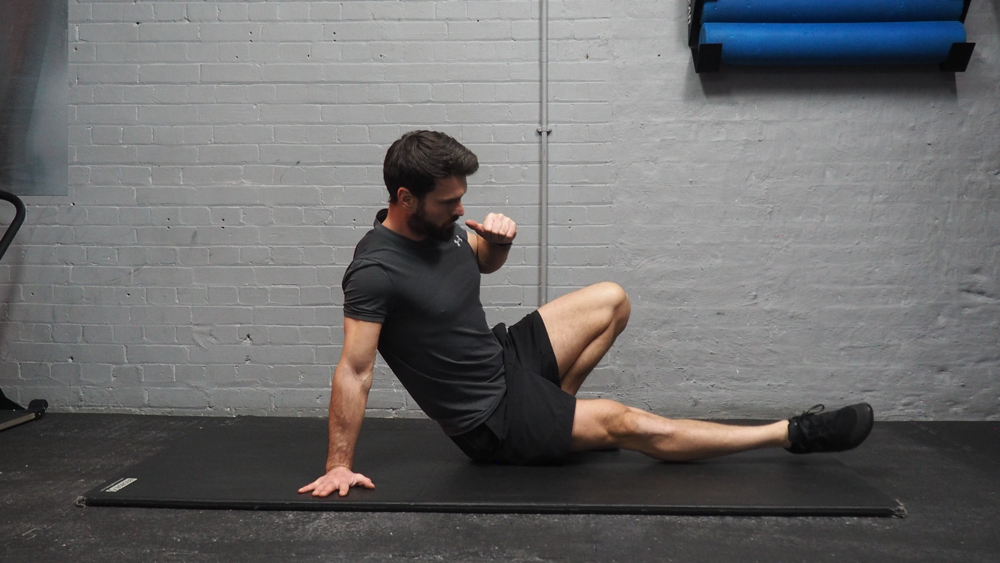
Strength and mobility training

Strength & Mobility

Structured guidance on building functional strength alongside the mobility needed to move well and stay pain-free.

Strength Mobility
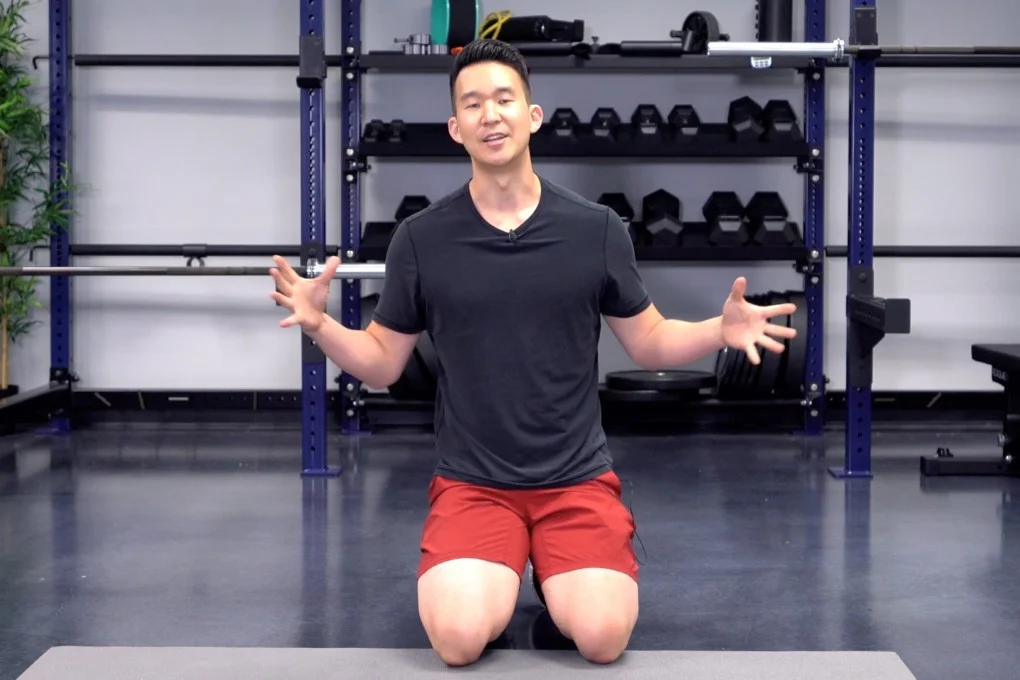
Lifestyle fitness planning

Lifestyle Planning

Practical fitness planning designed to work with your actual schedule — not an idealised version of it.

Flexible Lifestyle

What People Say

Honest reflections from people who have worked with us. No before-and-after promises — just genuine experiences.

"I'd tried going to the gym on my own a few times but never really knew what I was doing. Working with Joe gave me a proper structure and I actually understand why I'm doing each exercise now. That made all the difference for sticking with it."

Sarah M.
Cambridge · Beginner Programme · 6 months

"I came back to exercise after a two-year gap and was worried I'd pushed too hard too fast. The plan was genuinely conservative at first, which frustrated me slightly — but three months in I'm moving better than I was before the break, and I haven't picked up any niggles."

Daniel R.
Milton Keynes · Return to Fitness · 3 months

"The nutrition guidance was practical rather than prescriptive — no extreme plans, just sensible habits I could actually follow around a busy job and family. My energy levels are noticeably better and I've finally stopped dreading the gym."

Priya T.
London · Lifestyle Programme · 4 months

Who You'll Work With

A small, focused team with a shared belief in training that's sustainable, grounded and genuinely useful.

Joe - Head Trainer

Joe Fletcher

Head Trainer & Founder

Joe has spent eight years working with people at all fitness levels, from those who've never set foot in a gym to competitive recreational athletes. His approach is patient, systematic and strongly focused on fundamentals. He believes that the unsexy work — consistent movement, good sleep, adequate protein — produces better outcomes than any programme designed around extreme demands.

Marcus - Strength Coach

Marcus Webb

Strength & Mobility Coach

Marcus specialises in the intersection of strength training and mobility work — a combination he considers essential for longevity in training. He works closely with clients who have movement restrictions or are returning after injury, helping them build capacity in a structured and progressive way. His focus is always on quality of movement before quantity of load.

Anika - Nutrition Advisor

Anika Sharma

Nutrition Advisor

Anika provides practical, evidence-informed nutritional guidance aimed at supporting an active lifestyle without creating an adversarial relationship with food. She avoids prescriptive or restrictive frameworks in favour of helping clients understand the principles behind good nutrition — protein, hydration, balance — and apply them in ways that fit their actual lives. Please note that nutrition guidance provided is educational in nature and does not constitute medical dietary advice.

Fitness Education

In-depth articles covering the fundamentals of training, nutrition and building lasting fitness habits.

Strength training basics

Understanding Strength Training Basics

A clear explanation of progressive overload, technique importance, and the most common beginner mistakes to avoid.

Read Article
Nutrition fundamentals

Nutrition Fundamentals for an Active Lifestyle

Balanced diet principles, hydration importance and practical nutritional habits for people who train regularly.

Read Article
Building consistency

Building Long-Term Fitness Consistency

Habit formation psychology, motivation vs discipline, and real-world strategies for people with busy lives.

Read Article